
Mastering the Art of Layering in Your Seasonal Capsule Wardrobe Design
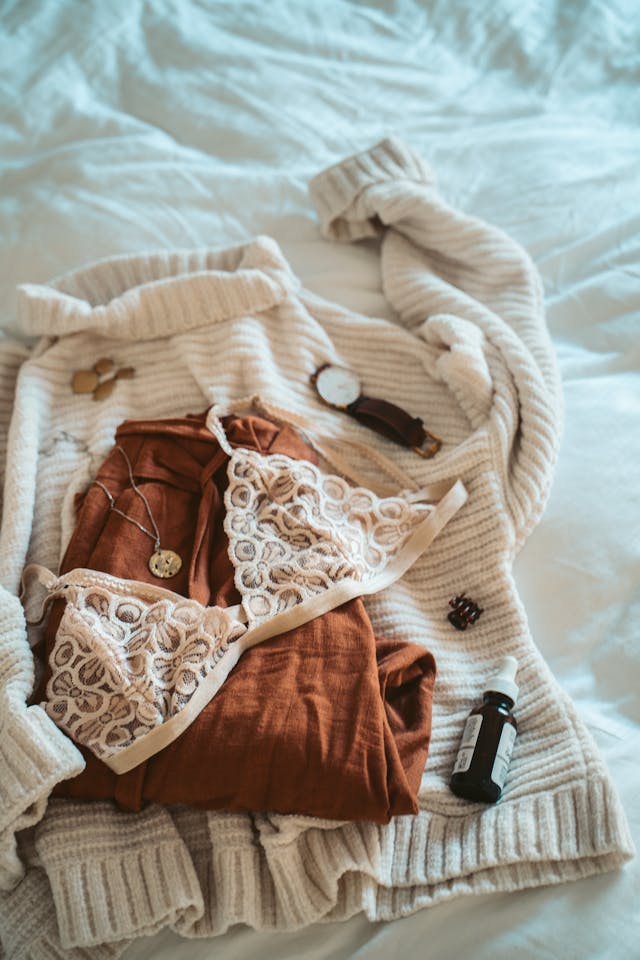
The Foundation of a Capsule Wardrobe
A capsule wardrobe is a carefully curated collection of essential clothing items that are timeless, versatile, and seasonally appropriate. The art of layering within this framework not only enhances style but also maximizes the functionality of each piece.
A well-designed capsule wardrobe ensures you have something to wear for every occasion, without the overwhelm of excessive choices.
Defining Your Core Pieces
The cornerstone of a successful capsule wardrobe lies in its core pieces. These items should be selected based on your lifestyle, climate, and personal style preferences. Typical core pieces might include:
- White Button-Down Shirt: Works as a standalone piece or layered under sweaters and jackets.
- Black Tailored Trousers: Can transition from office wear to evening outings effortlessly.
- Classic Blue Jeans: Suitable for casual settings, while also pairing well with dressier tops.
Selecting high-quality fabrics for these pieces is crucial, as they form the backbone of your wardrobe across seasons.
Seasonal Adaptability Through Layering
Layering is the technique of combining multiple garments to adjust to varying temperatures while maintaining aesthetic appeal. This is particularly essential when transitioning between seasons.
Layering Basics for Different Seasons
The principle of layering starts with three key components: base layers, mid-layers, and outer layers. Let's explore how these work in different seasons:
- Spring: Begin with a light cotton or silk base layer, add a breathable knit sweater as your mid-layer, and top it with a lightweight trench coat.
- Summer: Opt for a moisture-wicking tank top as the base, use a linen shirt as a light cover-up for sun protection, and if necessary, carry a denim jacket for cooler evenings.
- Autumn: Start with a fitted long-sleeve tee, add a cardigan or wool vest as an insulator, and finish with a weather-resistant parka or blazer.
- Winter: Use thermal shirts as your base layer, layer a thick wool sweater or fleece as your mid-layer, and choose a down jacket or heavy coat for outerwear.
By maintaining these basic structures, you can adapt to any weather condition without losing your stylistic edge.
Color Coordination and Fabric Selection
The beauty of a capsule wardrobe is that it inherently fosters cohesion among garments through color coordination and fabric compatibility.
Choosing a Cohesive Color Palette
A neutral color palette acts as the foundation of most capsule wardrobes due to its versatility. This includes shades like white, black, navy, gray, and beige. However, adding seasonal accents can enliven your wardrobe:
- Spring Accents: Pastel hues like soft pinks and lavenders can complement the neutrals.
- Summer Accents: Bright colors such as coral or turquoise offer a refreshing contrast against basics.
- Autumn Accents: Earthy tones like rust and olive enhance the seasonal theme.
- Winter Accents: Rich jewel tones such as emerald or burgundy add warmth.
This approach not only keeps your wardrobe visually interesting but also allows for seamless integration of new pieces.
Selecting Fabrics for Functionality
The choice of fabric plays an integral role in layering efficiently. Consider these fabric types for their specific seasonal benefits:
- Cotton: Breathable and versatile for warm weather and base layers.
- Wool: Excellent insulator for colder months; ideal for sweaters and outerwear.
- Linen: Perfect for hot climates; its lightweight nature makes it great for summer layering.
- Cashmere: Offers warmth without bulk; suitable for chic winter layering.
Integrating these fabrics strategically ensures comfort across seasons while keeping layers functional and stylish.
Practical Tips for Layering Success
Effective layering involves more than just stacking clothes. Here are some practical tips to master this skill:
Create Dimension with Texture
Experiment with textures to add depth to your outfits. For example, pair a chunky knit sweater with sleek leather pants or mix a silk blouse with a textured tweed skirt. These combinations create visual interest while adhering to the principles of a capsule wardrobe.
Mindful Mixing of Lengths
Consider the length of each layer to maintain proportion. Longer coats can be balanced with cropped tops or short jackets over longer shirts. This creates balance and prevents outfits from appearing bulky or disproportionate.
Avoid Overlapping Bulky Layers
Avoid stacking bulky layers on top of each other. Instead, opt for one voluminous piece and balance it with slimmer silhouettes underneath. For instance, wear a puffy jacket with form-fitting jeans rather than wide-leg trousers.
The Capsule Wardrobe Workflow
A strategic workflow simplifies the creation of a cohesive capsule wardrobe that maximizes layering potential:
Step 1: Evaluate Your Current Wardrobe
Begin by assessing what you currently own. Identify the pieces that fit your lifestyle and which items could serve as versatile layers. Donate or sell items that no longer serve their purpose.
Step 2: Determine Core Needs by Season
Create a checklist based on the different seasons you encounter. Focus on multifunctional items that can serve more than one purpose throughout the year.
Step 3: Invest in Key Additions
If there are gaps in your wardrobe, invest in high-quality pieces that will last several seasons. Prioritize classic styles over fleeting trends to maintain longevity in your wardrobe.
Step 4: Experiment with New Combinations
Regularly experiment with different combinations to discover new outfits within your existing wardrobe. Photograph these outfits for easy reference and inspiration during busy mornings or travel packing.
A Real-World Example: The All-Weather Traveler's Capsule
Consider Emma, an avid traveler who frequently finds herself in diverse climates. She has curated her wardrobe to accommodate various global conditions without overpacking.
The Essentials
- A breathable merino wool t-shirt for temperature regulation.
- A pair of dark-wash jeans that transition from hiking trails to city tours.
The Layering Strategy
- A lightweight waterproof jacket doubles as rainwear and windbreaker.
- A versatile wool blend scarf serves both as an accessory and an additional layer when cold air strikes.
Emma’s approach showcases how effectively blending pieces designed for different functions ensures her capsule wardrobe remains functional yet stylish regardless of the destination or season.