
The Ethical Debate: Fast Fashion Versus Sustainable Brand Choices
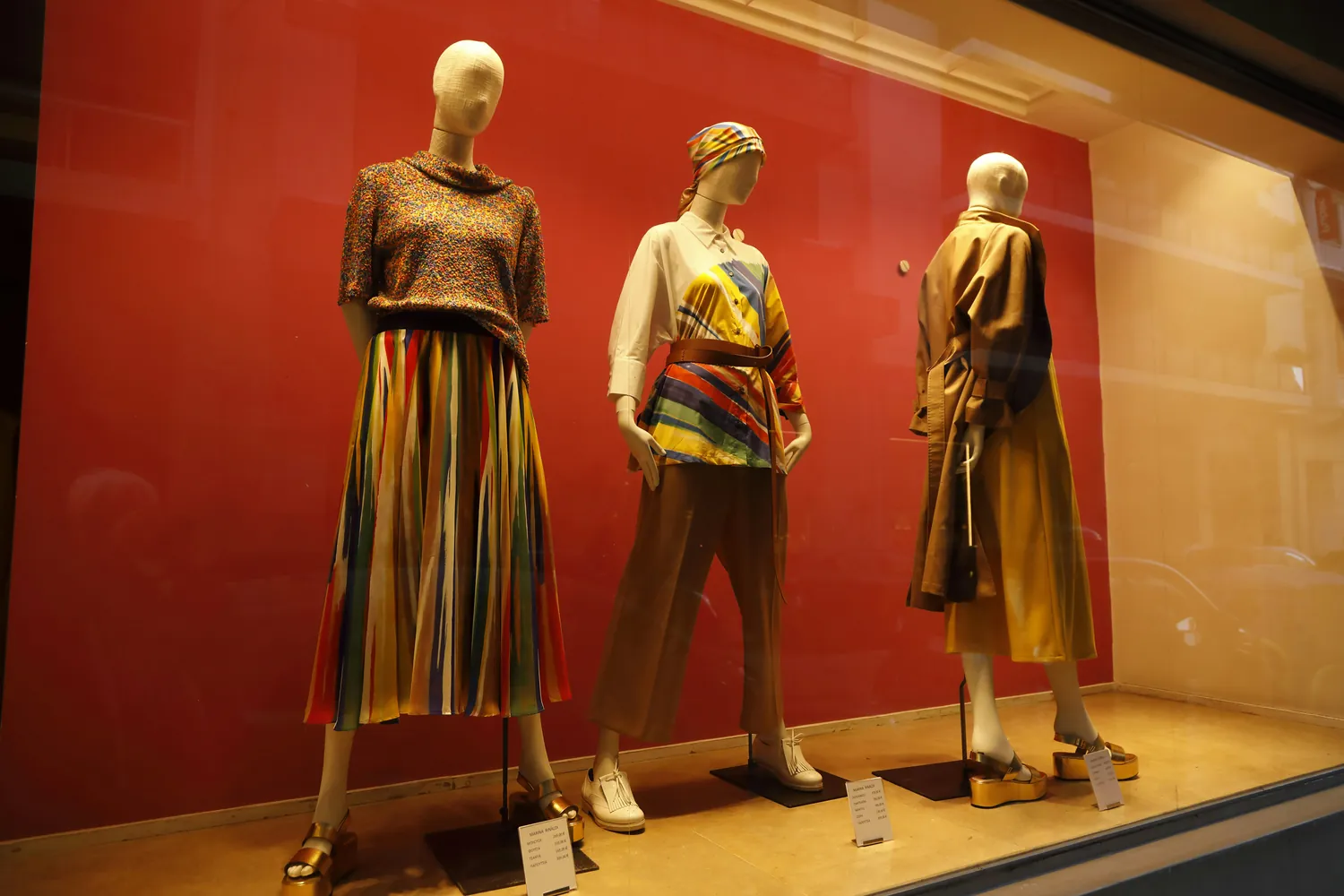
Understanding Fast Fashion
Fast fashion is a contemporary term used to describe clothing collections that are based on the most recent fashion trends presented at Fashion Week. These collections are produced quickly, often with less regard for quality, and are available for purchase at highly competitive prices.
The essence of fast fashion lies in its ability to churn out new trends rapidly, allowing consumers to access styles similar to luxury brands at a fraction of the price.
The Environmental Cost of Fast Fashion
The environmental impact of fast fashion is significant. The industry is notorious for its high water usage, pollution, and waste generation. According to studies, the fashion industry is responsible for about 10% of global carbon emissions and approximately 20% of wastewater. Fast fashion's rapid production cycles result in excessive waste as unsold items are often discarded rather than recycled or donated.
- High water consumption: Cotton farming, used extensively in fast fashion, requires vast amounts of water. It takes about 2,700 liters of water to produce a single t-shirt.
- Chemical usage: The dyeing process uses toxic chemicals that are often released into waterways, harming aquatic life.
- Landfill contribution: The majority of fast fashion garments are not biodegradable, leading to landfill overflow.
The Rise of Sustainable Fashion
Sustainable fashion represents an alternative approach that emphasizes environmental consciousness and social responsibility. Brands focusing on sustainability strive to reduce waste, use eco-friendly materials, and ensure ethical labor practices. This segment of the fashion industry seeks to create clothing that is better for the planet and for people involved in the manufacturing process.
Principles of Sustainable Fashion
Sustainable fashion encompasses several key principles:
- Ethical labor practices: Ensuring fair wages and safe working conditions for garment workers.
- Eco-friendly materials: Utilizing organic cotton, hemp, Tencel, or recycled materials that have a lower environmental impact.
- Durability and quality: Producing garments that are made to last, reducing the frequency of repurchases.
Social Implications
The debate extends beyond environmental impact to include social issues. Fast fashion often exploits workers in developing countries by providing them with poor working conditions and meager wages. In contrast, sustainable brands typically prioritize fair labor practices and often work closely with artisans, providing them with fair compensation and safe work environments.
The Human Cost of Cheap Clothes
Fast fashion's affordability often comes at the expense of human rights. In countries like Bangladesh and Vietnam, where many fast-fashion garments are produced, workers frequently endure long hours in unsafe conditions for minimal pay. The Rana Plaza disaster in 2013, where over 1,100 garment workers died in a factory collapse, highlighted these severe issues.
Navigating the Choice: Fast Fashion vs. Sustainable Brands
For consumers, the choice between fast fashion and sustainable brands can be challenging. While fast fashion offers affordability and immediate access to trendy pieces, sustainable brands provide longevity and ethical assurance. Making informed decisions requires understanding the broader impact of these choices.
Checklist for Choosing Ethical Fashion
- Research the brand's values and practices—do they align with sustainability?
- Consider cost per wear; sustainable items may be more expensive upfront but offer better value over time.
- Examine the material composition; opt for eco-friendly fabrics whenever possible.
- Check certifications such as Fair Trade or Global Organic Textile Standard (GOTS).
Scenario: Choosing a New Wardrobe Item
Imagine you need a new pair of jeans. You find a pair from a fast fashion retailer for $30 and another from a sustainable brand for $90. Here’s how you might approach this decision:
- Evaluate cost per wear: If the sustainable jeans last three times longer than the fast-fashion pair, they might actually cost less over time.
- Check brand transparency: Look at both companies’ websites for information about their production processes and labor conditions.
- Material consideration: Are the sustainable jeans made with organic cotton? Consider the environmental benefits.
By weighing these factors, you can make a decision that aligns with your values while considering budgetary constraints.
The Future of Fashion
The push towards sustainability is growing stronger as consumers become more aware of environmental and social issues related to fashion. As this trend continues, it is likely that more brands will adopt sustainable practices. However, widespread change depends on consumer demand and regulatory frameworks that encourage ethical production.
Sustainable fashion offers a pathway to reducing our environmental footprint while promoting social justice. It challenges us to rethink our purchasing habits and prioritize quality over quantity. As consumers play a crucial role in shaping industry standards, making informed choices becomes imperative in driving positive change.