
the narrative behind designer labels versus thrifting in urban fashion
High-End Designer Streetwear: The Allure of Exclusivity
Designer streetwear often represents the pinnacle of luxury in urban fashion. Brands like Off-White, Supreme, and Balenciaga have crafted their identity around exclusivity, often releasing limited edition pieces that become instant collectibles.
The allure lies not just in the label but in the story each piece tells, an epitome of high-end street culture. For enthusiasts, owning a piece from these collections is akin to owning a piece of modern art.
These pieces are meticulously designed, using premium materials that promise durability and an exquisite finish. Designer labels invest heavily in the craftsmanship of their items, ensuring that each piece stands out not only for its design but also for its quality.
When to Choose Luxury Pieces
- Events and Social Occasions: High-profile events where exclusivity makes a statement.
- Collectors: When you view fashion as an investment and seek pieces that appreciate over time.
- Personal Taste: If your personal style gravitates towards exclusive designs.
The framework here is simple: opt for designer labels when seeking exclusivity and superior craftsmanship, especially for special occasions or as collectible investments.
Thrifting: A Canvas for Individuality
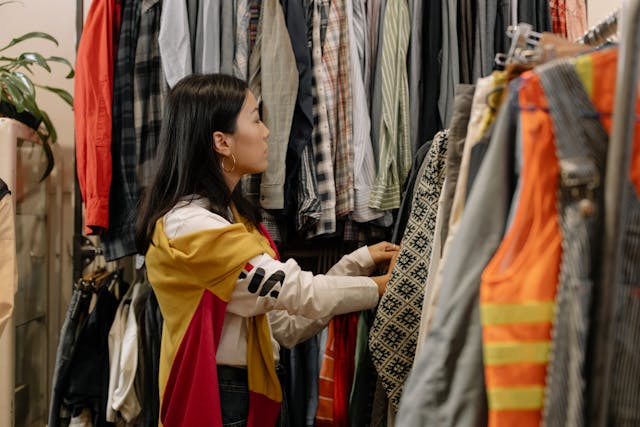
Thrifting offers a stark contrast to the curated nature of designer wear. It's about discovery, creativity, and sustainability. In urban fashion, thrift stores provide a treasure trove of vintage pieces that allow individuals to express their uniqueness without adhering to mainstream trends.
Notably, thrifting supports ethical fashion practices. By repurposing clothing, you contribute to reducing waste and lowering the demand for fast fashion's mass production, which often involves questionable labor practices.
Embracing Thrifting for Sustainability
- Environmental Impact: Thrifting reduces textile waste significantly.
- Economic Benefits: Access high-quality garments at a fraction of the cost.
- Unique Style: Vintage pieces ensure your outfit is one-of-a-kind.
The thrifting framework focuses on environmental consciousness and style individuality. Opt for thrifting to craft unique looks that are eco-friendly and budget-friendly.
Aesthetic Values: Where They Intersect
Interestingly, both designer streetwear and thrifted fashion share a core principle: self-expression. Whether it’s through the prestige of a luxury label or the creativity of a thrifted ensemble, urban fashion celebrates individuality.
The intersection occurs in how pieces are styled. Mixing a high-end piece with thrifted finds can create a balanced, chic look that tells a personalized fashion story. This mix-and-match approach showcases versatility and an understanding of contemporary style nuances.
Tips for Blending Both Styles
- Contrast Textures: Pair a designer silk bomber jacket with thrifted denim for an edgy look.
- Color Coordination: Use thrifted accessories to complement the color palette of luxury pieces.
- Themed Outfits: Build around a vintage theme using high-end accents for modern relevance.
This blending framework encourages experimentation. Use it to discover synergies between old and new, expensive and affordable.
The Ethical Considerations
The ethical narrative surrounding these two approaches is crucial. Designer labels often face scrutiny over their manufacturing processes, although many are pivoting towards sustainable practices. Meanwhile, thrifting inherently champions sustainability by recycling garments.
When selecting between these two options, consider what aligns with your values. Are you more inclined towards supporting ethical production methods of certain designer brands, or do you resonate more with the recycling ethos of thrifting?
Making Ethically Informed Decisions
- Research Brand Ethics: Look into the sourcing and production ethics of designer brands.
- Sustainable Thrifting: Opt for thrift stores that support charitable causes or community initiatives.
This ethical framework highlights the importance of informed purchasing decisions, allowing fashion choices to reflect personal values and societal impact considerations.
Quality Variances and Longevity
The question of quality is another area where designer labels generally excel due to their use of high-grade materials and attention to detail. Thrifted items may vary greatly in condition but often include well-preserved gems from bygone eras known for robust craftsmanship.
Caring for Your Collection
- Designer Care: Follow label-specific care instructions to maintain longevity.
- Thrifted Upkeep: Learn basic garment repair skills to restore thrifted pieces.
This maintenance framework suggests practical steps to maximize the lifespan of your wardrobe investments, whether high-end or thrifted.
Conclusion: Crafting Your Urban Fashion Identity
The narrative behind designer labels versus thrifting in urban fashion isn't about choosing sides; it's about understanding the value each brings and how they can coexist in harmony. Whether you're driven by exclusivity or sustainability, remember that both paths offer unique stories waiting to be told through your style choices.