
Sustainable Fashion Through the Lens of Traditional Craftsmanship Methods
The Revival of Traditional Techniques
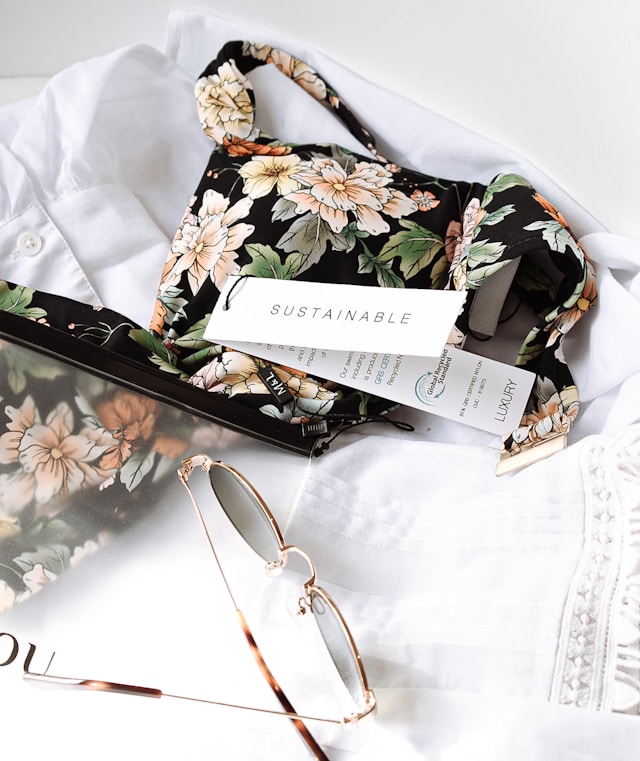
In a world increasingly aware of environmental impacts, sustainable fashion has emerged as a vital movement. At its heart lies the revival of ancient textile methods, where craftsmanship and sustainability intertwine seamlessly.
These techniques are not just nostalgic nods to the past; they offer practical solutions to modern environmental challenges.
Hand-Weaving: The Art of Patience
Hand-weaving is one such technique that stands as a testament to human ingenuity and patience. This ancient method involves interlacing two distinct sets of yarns at right angles to create fabric, a process that requires meticulous attention and skill.
In countries like India and Peru, hand-weaving remains a vibrant tradition, passed down through generations. Modern sustainable fashion brands have started collaborating with local artisans, recognizing the unique beauty and lower environmental footprint of hand-woven textiles compared to industrial fabrics.
- Example: The brand Maiwa integrates handwoven fabrics from Indian artisans into its collections, offering products that are both environmentally friendly and culturally rich.
Natural Dyeing: A Colorful Legacy
Before the advent of synthetic dyes, natural dyeing was the predominant method for adding color to textiles. Derived from plants, minerals, and even insects, these dyes offer a vast palette of hues while being eco-friendly.
In Japan, the art of shibori—a traditional resist dyeing technique—produces intricate patterns and deep colors using indigo. By utilizing natural dyes, designers can significantly reduce water pollution and energy consumption involved in dye production.
- Example: Studio Tinta, a New York-based brand, uses natural dyes sourced from local flora to create environmentally conscious apparel with rich color stories.
The Balance of Tradition and Innovation
Integrating Old with New
Sustainable fashion doesn't mean rejecting modern advancements; instead, it's about merging old-world craftsmanship with contemporary innovation. By leveraging technology, designers can enhance traditional methods without compromising their authenticity.
An exciting example is the incorporation of digital tools in pattern-making. Designers can now draft precise patterns that minimize fabric waste while still adhering to traditional weaving techniques. This fusion allows for more sustainable production processes without sacrificing style or heritage.
Cultural Preservation through Fashion
Reviving traditional craftsmanship also plays a crucial role in cultural preservation. By supporting artisans who continue these practices, sustainable fashion brands contribute to the survival of cultural identities threatened by globalization.
Organizations like The Ethical Fashion Initiative connect skilled artisans from developing regions with global designers, ensuring fair trade and promoting cultural heritage while producing unique garments.
A Practical Mini-Framework for Designers
For fashion designers looking to incorporate sustainable practices through traditional craftsmanship, here's a mini-framework to guide the process:
- Research and Collaborate: Dive into historical textiles and techniques relevant to your design goals. Establish partnerships with artisan communities and understand their processes and values.
- Material Sourcing: Opt for locally sourced materials that complement traditional techniques. Prioritize natural fibers like cotton, wool, or hemp that align with ecological goals.
- Design Integration: Use technology to enhance traditional practices. Employ digital pattern drafting to optimize fabric usage and explore hybrid techniques that merge old methods with new innovations.
- Storytelling: Highlight the cultural significance behind each piece. Transparency in storytelling not only markets your product but educates consumers on the value of sustainable practices.
The Future of Sustainable Craftsmanship
As the fashion industry continues its shift towards sustainability, the role of traditional craftsmanship becomes increasingly relevant. These methods offer not only a blueprint for eco-friendly production but also a way to celebrate and preserve global cultural heritage.
The journey of integrating traditional methods into modern sustainable fashion is ongoing. With continuous innovation and respect for artisanal skills, designers can create pieces that are timeless both in fashion and in practice—honoring the past while crafting a sustainable future.