Crafting a Versatile Wardrobe: The Dance of Casual Meets Formal
The Spectrum of Style: Casual and Formal Defined
In the diverse world of fashion, casual and formal styles represent two opposite ends of a sartorial spectrum. Understanding these styles and their proper contexts can significantly enhance your wardrobe’s versatility.
Understanding Casual Wear
Casual wear is typically defined by comfort and relaxation. It’s the attire you turn to for informal settings like weekend outings, casual dinners, or a relaxed day at the office. Common pieces include jeans, t-shirts, sneakers, and sundresses.
Pros of Casual Wear:
- Comfort: With an emphasis on easy-to-wear materials, casual clothes are typically more comfortable.
- Versatility: Many casual pieces can be easily mixed and matched.
- Affordability: Casual items tend to be less expensive than formal ones.
Understanding Formal Wear
Formal wear is characterized by a refined aesthetic suitable for significant events such as weddings, business meetings, or upscale dinners. This category includes tailored suits, evening gowns, dress shoes, and other polished garments.
Pros of Formal Wear:
- Elegance: Offers a sophisticated appearance that conveys professionalism and seriousness.
- Symbolism: Formal attire often signals respect for the occasion and its participants.
- Timelessness: High-quality formal pieces can become timeless staples in your wardrobe.
The Dance Between Comfort and Elegance
While both styles have their own merits, the modern wardrobe often requires a blend of the two. Here’s how to integrate elements from both ends of the spectrum effectively.
The Blended Approach: Smart Casual
Smart casual is the harmony between informal comfort and formal elegance. It is versatile enough to work in various settings—from a brunch date to a semi-formal office setting.
Tips for Crafting Smart Casual Outfits:
- Pants: Opt for chinos or dark jeans paired with a crisp button-down shirt.
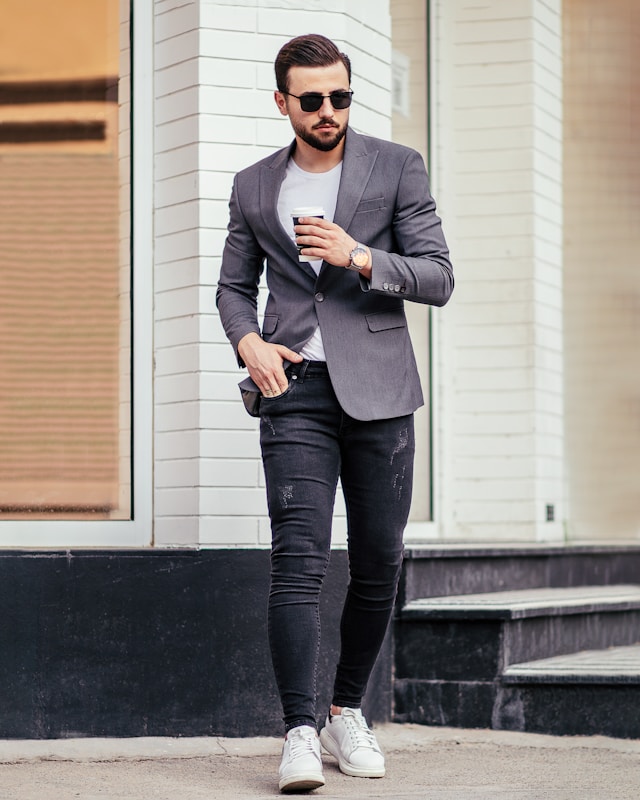
- Tops: Incorporate structured blazers over t-shirts or sweaters for an elevated look.
- Shoes: Choose loafers or brogues to maintain a balance between casual and formal.
This style allows you to transition smoothly from day to night events without needing a change of outfit.
The Hybrid Outfit: Mixing Elements
A hybrid outfit combines specific pieces from both casual and formal wear to create unique combinations that reflect personal style while meeting situational requirements. Here are some practical examples:
- The T-shirt with Suit Jacket: A plain white or graphic tee paired with a tailored suit jacket and fitted trousers for an evening out.
- Sneakers with Tailored Pants: Pairing sneakers with well-fitted trousers adds a trendy yet laid-back element to an otherwise formal ensemble.
Practical Considerations: When to Choose What
The choice between casual, formal, or a hybrid style depends largely on the context—each situation has its own etiquette and expectations. Let’s explore some common scenarios and the appropriate attire choices for each.
Office Settings
For most professional environments, the expectation is towards business casual or smart casual attire. Here’s how you can decide what works best:
- If your office has a business formal dress code, opt for tailored suits, dress shirts, and formal shoes.
- In more relaxed offices, smart casual or business casual works well—consider chinos with blazers or neat dresses with flats.
Social Gatherings
When attending social events, the key is to balance comfort with style:
- For informal gatherings like BBQs or picnics, lean towards full casual—think shorts, t-shirts, and sandals.
- If the event is slightly more upscale like a cocktail party, aim for smart casual by choosing outfits like dress shirts paired with nice trousers or skirts with blouses.
Cultivating Personal Style Through Experimentation
The beauty of combining casual and formal styles lies in the room it allows for personal expression. Experimenting with different fabrics, colors, and layers lets you discover what uniquely suits you.
Experimenting with Fabrics and Textures
Diversifying fabrics such as denim, silk, cotton, and wool in your outfits not only enhances visual interest but also tailors your wardrobe to various climates and seasons.
The Role of Accessories
Accessories play a crucial role in tying together a look. They can elevate a simple outfit or add flair to formalwear:
- Add statement necklaces to neutral tops to draw attention upwards.
- Bags with bold colors or unique designs can transform an outfit’s tone entirely.
The Future of Versatile Dressing
The fashion industry continues to blur the lines between casual and formal styles, driven by evolving workplace norms and lifestyle changes. As sustainability becomes more crucial, owning fewer versatile pieces rather than separate wardrobes for every occasion is increasingly valued.
A versatile wardrobe means having the flexibility to shift between various roles throughout your day without compromising on style or comfort. By understanding the core elements of both casual and formal attire, alongside how to blend them seamlessly, you’ll be better equipped to face any fashion challenge that comes your way.