Finding Balance: When to Choose Tailored Versus Relaxed Workwear Styles
The Evolving Landscape of Workplace Fashion
Workplace fashion has undergone significant changes over the past few decades, moving from strictly formal attire to more diverse and inclusive styles. This shift allows professionals to express personal style while maintaining a sense of appropriateness for their work environment.
Two dominant trends have emerged: tailored business casual and relaxed workwear styles. Understanding when to choose each can enhance your wardrobe's versatility and ensure you feel comfortable and confident.
Understanding Tailored Business Casual
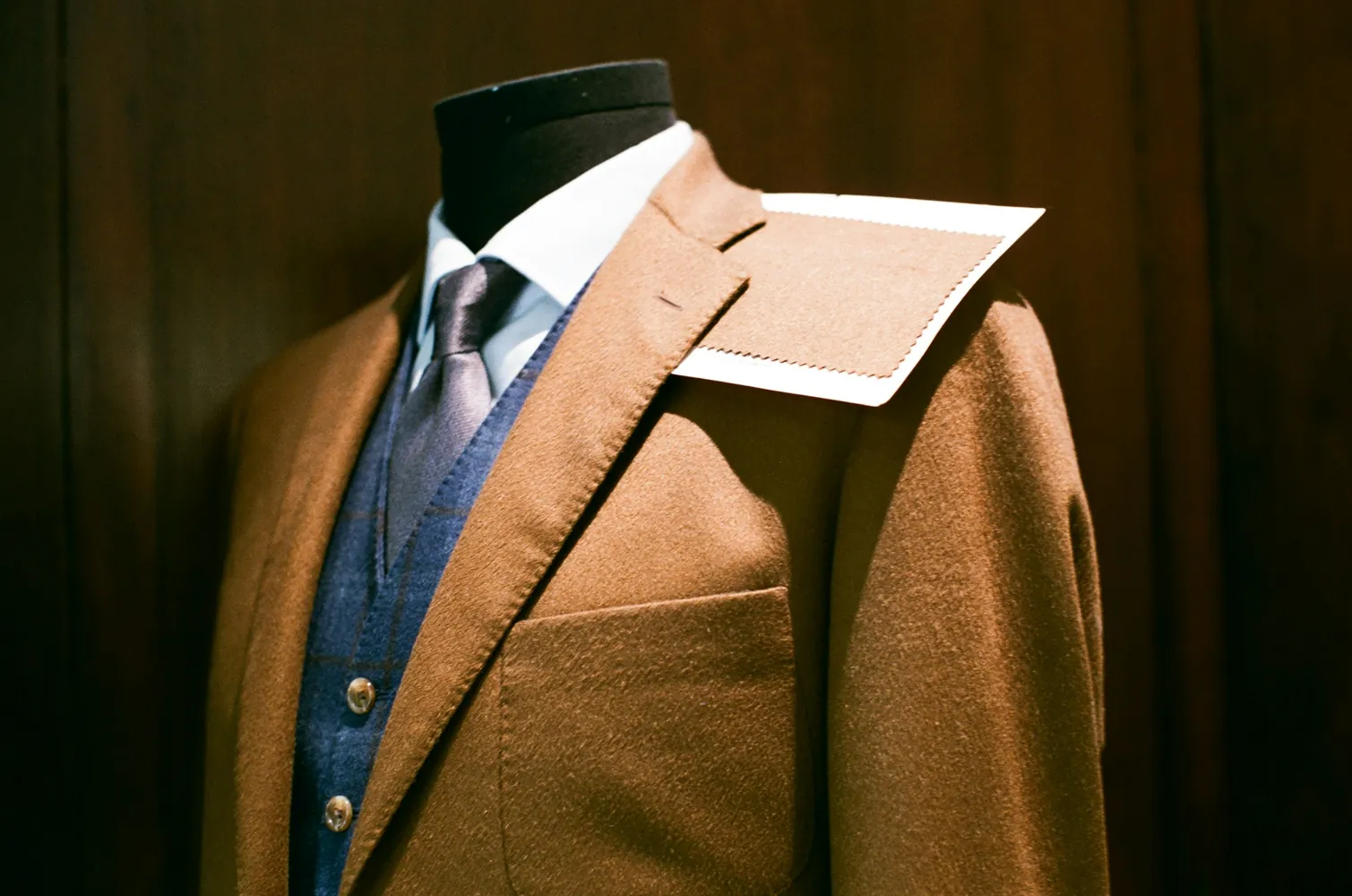
Tailored business casual attire combines the structure of formal clothing with the ease of less rigid fabrics. Key pieces often include fitted blazers, dress shirts, tailored trousers, and skirts. This approach emphasizes fit and craftsmanship, offering a polished appearance.
Benefits of Tailored Styles
- Professional Appeal: Tailored clothing often projects an image of competence and seriousness, making it ideal for settings where authority and professionalism are paramount.
- Timeless Elegance: A well-tailored outfit seldom goes out of style, providing longevity in your wardrobe.
- Customizable: Tailoring allows for alterations that achieve a perfect fit, enhancing both comfort and appearance.
When to Opt for Tailored Styles
Consider choosing tailored business casual when attending important meetings, presentations, or interviews. These scenarios demand a level of formality that tailored attire naturally provides. Additionally, industries such as finance, law, and corporate sectors may lean towards more traditional dress codes, making tailored options a safe choice.
The Rise of Relaxed Workwear
Relaxed workwear has gained popularity due to its focus on comfort without sacrificing style. It typically includes softer fabrics, looser fits, and a more casual approach to workplace attire. Think smart jeans paired with knit tops or oversized blazers with t-shirts.
Advantages of Relaxed Styles
- Comfort: With softer materials and looser fits, relaxed styles offer increased comfort throughout long workdays.
- Expressive Freedom: Allows more room for personal expression through colors, patterns, and combinations that might not suit formal tailoring.
- Adaptability: Easily transition from work to casual settings, perfect for after-work social events.
Ideal Situations for Relaxed Styles
Relaxed workwear is best suited for creative industries like tech startups, media, or design firms where innovation is valued over traditionalism. It also works well in remote work settings or companies with flexible dress codes.
Navigating Hybrid Environments
The modern workplace often requires adapting to hybrid environments—a mix of formal meetings and casual collaborations. In such cases, blending tailored pieces with relaxed elements can create a balanced look that suits various situations throughout the day.
Tips for Balancing the Two Styles
- Mix and Match: Pair a tailored blazer with relaxed trousers or a knit top for a chic yet comfortable outfit.
- Accessorize Smartly: Use accessories like ties or scarves to add a touch of formality to relaxed outfits.
- Shoes Matter: Choose footwear that can elevate or tone down your outfit based on the day’s activities; for example, loafers versus sneakers.
Cultural Influences and Dress Codes
Cultural norms and organizational culture play significant roles in defining appropriate workplace attire. While some industries remain steadfast in their traditional approaches, others embrace more relaxed codes reflecting societal shifts towards inclusivity and personalization.
Adapting to Your Work Environment
Researching your company's culture can provide clues about what is acceptable or expected. Consider the attire of colleagues or the company's history regarding dress code flexibility. Observing these cues can guide you in making wardrobe choices that align with your professional image without standing out for the wrong reasons.
The Future of Workwear
The future of workwear will likely continue evolving alongside societal trends and technological advancements. Remote working is now more prevalent, influencing how we view professional attire. As comfort becomes increasingly prioritized, finding innovative ways to incorporate both tailored and relaxed elements into professional wardrobes will be key.
Staying Ahead in Fashion Trends
- Monitor Industry Trends: Staying informed about fashion trends can help you incorporate them into your professional wardrobe without compromising your unique style.
- Sustainable Choices: Consider sustainable fashion brands that offer both tailored and relaxed pieces, supporting ethical production methods while staying stylish.
By understanding when and how to integrate tailored and relaxed styles into your workwear, you can navigate diverse professional environments with ease and confidence. This balanced approach not only accommodates your personal comfort but also aligns with evolving workplace standards.