
exploring the artistry in hand-stitched leather shoe creation
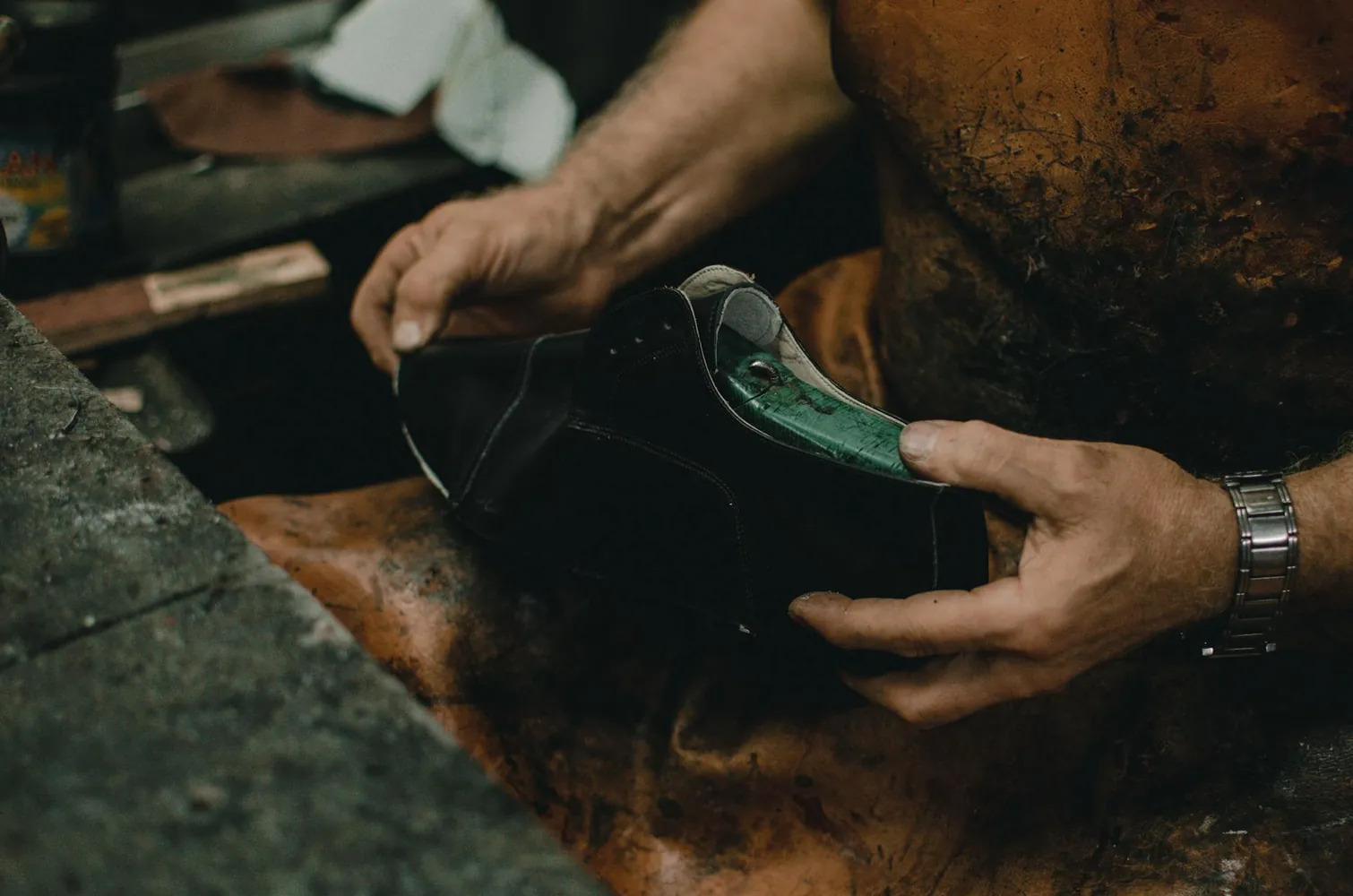
The Craft of Hand-Stitched Leather Shoes
In the world of fashion, few items signify luxury and craftsmanship like hand-stitched leather shoes. These shoes represent a timeless artistry where skilled hands transform raw materials into sophisticated footwear.
Each stitch is not merely functional but an embodiment of a cobbler's dedication to quality and elegance.
Unlike mass-produced counterparts, hand-stitched shoes offer unparalleled durability, comfort, and a personalized fit that often makes them more desirable despite a higher price point. This article explores the intricate techniques behind their creation and highlights exemplary brands that epitomize this art form.
The Techniques Behind Hand-Stitching
The process of creating hand-stitched leather shoes involves several meticulous steps, each requiring precision and patience. At the core of this craft are three fundamental techniques: welt stitching, hand-lasting, and sole stitching.
Welt Stitching
Welt stitching is a method where a strip of leather, known as the welt, is sewn to the upper and the insole of the shoe. This technique not only provides strength but also allows the sole to be replaced without compromising the shoe's structure. Brands like John Lobb are renowned for their Goodyear welted shoes, a hallmark of durability and refinement.
Hand-Lasting
Hand-lasting involves shaping the shoe around a mold called a last. This process requires the artisan to stretch and fit the leather precisely, ensuring a flawless silhouette and comfortable fit. Master cobblers at Edward Green execute this with exceptional skill, turning each pair into a masterpiece that conforms perfectly to the wearer’s foot.
Sole Stitching
The final touch in shoemaking is sole stitching, where the outer sole is carefully attached to the shoe using either Blake or Goodyear methods. While Goodyear is favored for its robustness, the Blake stitch is appreciated for its flexibility and sleeker appearance, as seen in the products of Crockett & Jones.
The Brands Leading the Artisan Revival
A select number of brands continue to uphold these traditional methods, setting high standards for craftsmanship. Here are some leaders in the field:
- John Lobb: Based in London, John Lobb boasts a legacy of bespoke shoemaking since 1866, with each pair taking up to six months to complete.
- Edward Green: Known for elegance and classic designs, Edward Green emphasizes quality over quantity, producing only 350 pairs per week.
- Crockett & Jones: With over a century of experience, this brand combines heritage with innovation, offering both ready-to-wear and custom options.
- Alden Shoe Company: An American classic known for its Horween leather and exceptional craftsmanship.
Case Studies: Artisans at Work
To truly appreciate the artistry involved in hand-stitched leather shoe creation, let us delve into specific case studies of renowned cobblers who elevate this craft to an art form.
George Cleverley: Bespoke Excellence
The bespoke process at George Cleverley begins with a detailed consultation where measurements and preferences are meticulously recorded. Over the next several months, artisans transform these specifications into a one-of-a-kind shoe.
The artisans use top-grade calf leather sourced from Europe and apply their expertise in hand-lasting to ensure every curve and line aligns perfectly with the client’s foot. The result is not just a shoe but a piece of art tailored for both style and comfort.
Berluti: The Art of Patina
Berluti has elevated shoemaking by integrating color artistry into their craft. Their signature patina process involves applying layers of dyes by hand to create depth and vibrancy unique to each pair. This technique transforms simple leather into something akin to fine art, emphasizing personal expression and individuality.
Clients can even personalize their own shades, leading to creations that are deeply personal yet universally admired.
The Practical Benefits of Hand-Stitched Shoes
Beyond aesthetics and craftsmanship, hand-stitched leather shoes offer practical advantages:
- Longevity: With proper care, they can last decades, offering excellent return on investment.
- Repairability: Soles can be replaced while preserving the upper structure, enhancing sustainability.
- Comfort: Hand-lasting ensures an exceptional fit that molds to the wearer's foot over time.
Navigating the Market: What to Look For
When investing in hand-stitched leather shoes, consider these factors:
- Leather Quality: High-quality leather is essential for both aesthetics and durability. Full-grain leather offers superior strength and aging characteristics.
- Craftsmanship: Examine stitching consistency and attention to detail—uneven stitches can indicate rushed workmanship.
- Fit: Ensure a comfortable fit; bespoke options provide unparalleled personalization but at a higher cost.
A keen eye for these attributes will guide you toward making informed purchases that marry style with substance.
The Future of Artisan Shoemaking
As consumer awareness about sustainable fashion grows, so does appreciation for artisanal crafts. Hand-stitched leather shoes embody this shift towards valuing quality over quantity. Although machine-made shoes dominate the market due to their affordability, there is a resurging demand for handcrafted excellence driven by discerning customers seeking unique experiences.
This growing trend presents both challenges and opportunities for artisans. It calls for balancing tradition with modern demands without compromising on quality. Innovations like digital customization platforms are already enhancing customer engagement while preserving the core principles of handcrafted luxury.
Conclusion
Hand-stitched leather shoes remain a symbol of enduring elegance and remarkable craftsmanship within the fashion industry. By understanding the techniques involved in their creation and recognizing standout brands that champion these methods, consumers can better appreciate—and invest in—these works of wearable art.