
Mastering Custom Footwear: A Detailed Guide for Personal Expression
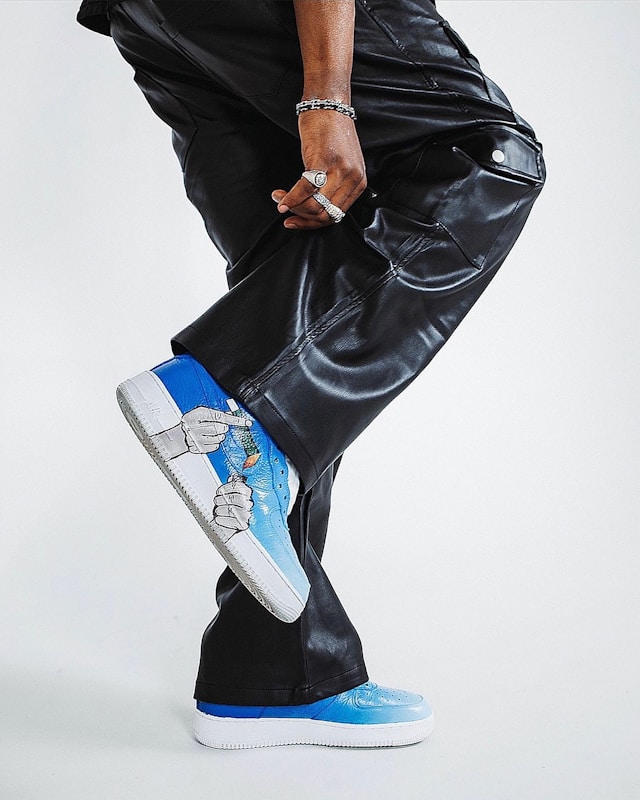
Understanding the Basics of Custom Footwear
Creating custom footwear is more than just a creative exercise—it's an opportunity to express individuality through every step. Whether you're aiming to make a fashion statement or just seeking comfort with a personal twist, the process involves key steps that include material selection, shape considerations, and aligning with your unique style preferences.
Material Selection: The Foundation of Your Custom Shoe
The materials you choose for your shoes will dictate not only their look and feel but also their durability and comfort. Here are three primary categories to consider:
- Leather: Known for its durability and classic appeal, leather is often the go-to choice for custom shoes. Options range from full-grain, which offers maximum strength, to patent leather for a glossy finish. Pros: Long-lasting, molds to your foot over time. Cons: Requires maintenance to prevent cracking.
- Synthetic Materials: Often used in more modern designs, these materials can mimic natural ones while offering increased resistance to water and stains. Pros: Usually more affordable, diverse range of colors and textures. Cons: Less breathable than natural options.
- Textiles: From canvas to hemp, textiles offer a casual, breathable alternative to leather. They are ideal for warm weather or for achieving a relaxed look. Pros: Lightweight, eco-friendly options available. Cons: May lack structural support compared to leather.
Choosing Materials: What to Consider
Your lifestyle should heavily influence material selection. For instance, if you require something durable for daily wear in various weather conditions, leather might be your best bet. Conversely, if you live in a hot climate or want vegan options, textile materials could suit your needs better.
Shape Considerations: Form Meets Function
The shape of the shoe impacts both aesthetics and comfort. Understanding the various aspects of shoe design can help you make informed decisions:
- Sole Design: The sole can range from flat to high-heeled and everything in between. Consider where you'll be wearing the shoes most often. For example, thicker soles can provide more comfort for long walks while stilettos may be reserved for special occasions.
- Shoe Profile: Low-top designs offer ease of movement and are great for casual settings, whereas high-top shoes provide extra ankle support and make a bold fashion statement.
- Toe Shape: Round toes offer more room and comfort, especially for wide feet, while pointed toes exude elegance and are suitable for formal designs.
The Importance of Fit
A well-fitting shoe is crucial for comfort and health. Make sure to take accurate measurements of your feet before ordering custom shoes. Consider any unique foot characteristics you have, such as bunions or high arches, which may affect the fit.
Personal Style Preferences: Infusing Your Personality
Designing custom shoes gives you the freedom to infuse personal style into each pair. This process involves understanding your fashion sense and how it can translate into footwear:
- Color Palette: Decide on a color scheme that resonates with your wardrobe. Bold colors make a statement, while neutrals like black, white, and tan provide versatility.
- Patterns and Embellishments: Adding patterns like florals or geometric designs can enhance individuality. Consider embellishments like embroidery or studs if you want extra flair.
- Occasion Suitability: Think about where you plan to wear these shoes—do you need versatile everyday options or something more suited to specific events?
Integrating Trends with Timelessness
While it's tempting to dive into current trends, consider how these align with timeless elements to ensure longevity in your design choices. Trendy details can be subtle additions rather than overwhelming features, allowing your custom shoes to remain stylish over time.
The Customization Process: Step-by-Step Guide
Now that you have an understanding of materials, shapes, and styles, here's a practical workflow for bringing your custom shoe concept to life:
- Research and Inspiration: Begin by gathering inspiration from existing designs online or through magazines. Create a mood board that reflects your desired aesthetic.
- Select a Customization Platform: Choose from various platforms like Nike By You or Converse's custom design tool. Alternatively, work with local artisans who offer bespoke services.
- Create Initial Sketches: Sketch out your ideas, keeping the above considerations in mind. Focus on essential features like color and embellishments.
- Consult with Professionals: If working with a designer or shoemaker, communicate your ideas clearly. They can provide insights into feasibility and cost implications.
- Finalize Design Specifications: Confirm all details before production begins. Double-check materials, colors, sizes, and embellishments.
- Production and Fitting: Once production starts, maintain communication with the shoemaker for updates. Ensure fitting samples are checked if available.
Caring for Your Custom Shoes
The journey doesn't end at creation; maintaining your custom footwear is essential for longevity. Regularly clean them based on material guidelines (e.g., polish leather or brush off dirt from canvas). Store them properly using shoe trees or dust bags to retain shape and prevent wear.
The Impact of Custom Footwear on Personal Style
The beauty of custom footwear lies in its ability to act as an extension of your personal style. By selecting every element yourself, these shoes can become a signature piece in your collection—one that echoes your personality with every step taken.