
analyzing the ecological risks of polyester and nylon in fashion
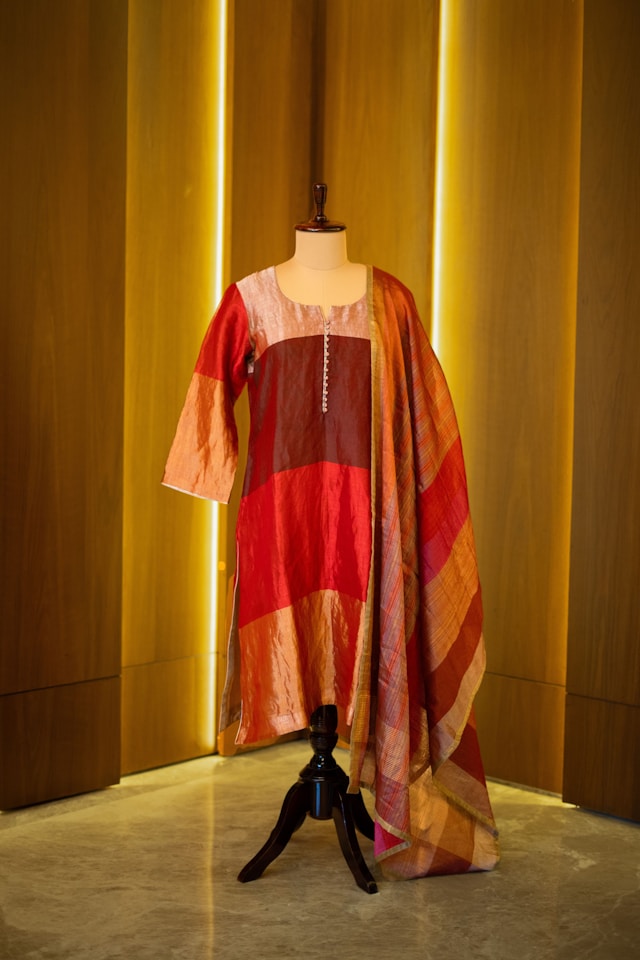
The Prevalence of Synthetic Fabrics in Fashion
The global fashion industry has increasingly leaned towards synthetic fabrics, with polyester and nylon leading the pack. These materials are favored for their durability, affordability, and versatility, making them a staple in fast fashion.
However, the widespread use of these fabrics poses significant environmental challenges that require urgent attention.
Understanding Polyester and Nylon: A Snapshot
Polyester is a category of polymers that predominantly comprises polyethylene terephthalate (PET). It was first introduced to the fashion world in the early 1940s and quickly gained traction due to its resistance to wrinkles and stretching. Nylon, on the other hand, was developed in the late 1930s as the first synthetic fiber to replace silk. It is known for its strength, elasticity, and resistance to mildew, making it ideal for a range of garments from stockings to activewear.
The Ecological Impact of Production
Energy Consumption and Emissions
The production of polyester and nylon is energy-intensive, primarily due to the need for high heat during the polymerization process. According to the Carbon Trust, manufacturing polyester emits approximately three times more carbon dioxide compared to cotton production. Furthermore, the extraction and processing of raw materials like petroleum contribute significantly to greenhouse gas emissions.
Water Pollution and Resource Use
Nylon production also results in considerable water pollution due to the release of nitrous oxide, a potent greenhouse gas that can harm aquatic life. The dyeing processes involved in both polyester and nylon textiles often use harsh chemicals, which can leach into water bodies if not properly managed.
Microplastic Pollution: A Growing Concern
One of the most critical ecological risks posed by synthetic fabrics is microplastic pollution. With every wash, polyester and nylon garments shed tiny fibers known as microfibers. These microfibers pass through wastewater treatment facilities and eventually end up in oceans, posing severe threats to marine life. A study by Proceedings of the National Academy of Sciences estimated that a typical wash load could release hundreds of thousands of microfibers.
- Case Study: In California, researchers found that over 70% of beach debris comprised microplastics originating from clothing.
Durability Versus Biodegradability
Synthetic fibers are celebrated for their durability; however, this same characteristic makes them a problem for biodegradability. Polyester and nylon are non-biodegradable, taking decades or even centuries to decompose. When discarded in landfills, these fabrics contribute to long-lasting environmental waste.
Addressing the Challenges: Strategies for Sustainable Fashion
Innovative Recycling Techniques
Efforts are underway to mitigate the ecological impact through recycling initiatives. Some brands have started using recycled PET bottles to create polyester fabrics, effectively reducing waste and carbon emissions. However, this process still requires significant energy input, underscoring the need for renewable energy integration in manufacturing processes.
Emerging Alternatives
Emerging technologies offer alternative solutions that aim to reduce reliance on synthetic fibers. Biodegradable polyester made from plant-based sources like corn sugar is being explored as a promising substitute. Additionally, novel fabrics such as Pinatex, made from pineapple leaf fibers, present sustainable options that circumvent traditional petroleum-based materials.
Consumer Awareness and Behavioral Change
Increasing consumer awareness about the ecological impacts of their clothing choices is crucial. Fashion brands can play a pivotal role by providing transparency about their production processes and encouraging responsible consumer behavior such as reducing purchase frequency and investing in high-quality, long-lasting garments.
The Role of Policy and Industry Standards
Government regulations and industry standards can accelerate progress towards sustainable fashion. For instance, implementing stricter wastewater treatment requirements can reduce microfiber pollution. Moreover, incentivizing research into alternative materials through subsidies or grants can stimulate innovation within the industry.
Conclusion: Balancing Fashion with Responsibility
The challenge of mitigating the ecological risks associated with polyester and nylon is daunting but not insurmountable. By leveraging technology, promoting consumer awareness, and enacting supportive policies, the fashion industry can pivot towards sustainability without sacrificing style or functionality. As stakeholders—from manufacturers to consumers—collaborate in these efforts, a more sustainable fashion landscape can emerge.