
Measuring Sustainability: The Effect of Circular Fashion on Resource Consumption
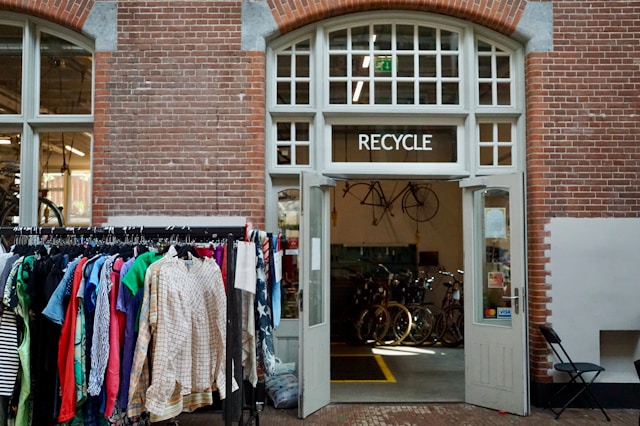
Understanding Circular Fashion
Circular fashion is a systemic approach to clothing that embraces recycling, reusing, and reducing waste at every stage of a garment's lifecycle. By closing the loop in the traditional linear model of 'take-make-waste', circular fashion aims to minimize resource consumption and environmental impact.
This model not only includes the use of sustainable materials but also emphasizes design for longevity, adaptability, and recyclability.
The Principles of Circular Fashion
- Design for Longevity: Garments are crafted to withstand wear and tear over time, reducing the need for frequent replacement.
- Reuse and Recycle: Encourages the recycling of materials and the reuse of garments to reduce waste.
- Resource Efficiency: Aims to use renewable resources efficiently and reduce dependency on non-renewable inputs.
The goal is to establish a more sustainable industry that significantly curtails its carbon footprint.
The Impact of Circular Fashion on Resource Consumption
The adoption of circular fashion can lead to profound changes in how resources are consumed. For instance, according to studies, the fashion industry currently accounts for about 10% of global carbon emissions and nearly 20% of wastewater. Transitioning to circular models has the potential to reduce these figures substantially by promoting practices that extend product life cycles and diminish waste.
Quantifying Resource Savings
Estimations suggest that if widely adopted, circular practices could reduce greenhouse gas emissions by up to 60%. Moreover, by reusing textiles and integrating recycled materials, water usage could drop by up to 75%. These figures underscore the transformative potential of circular fashion in addressing environmental concerns associated with traditional production models.
Case Studies: Successful Implementations
Several brands have successfully integrated circular principles into their business models, showcasing the feasibility and benefits of this approach.
Patagonia's Worn Wear Program
Patagonia has been a pioneer in adopting circular strategies with its 'Worn Wear' program. This initiative encourages consumers to return used Patagonia clothing in exchange for store credit, allowing the company to refurbish and resell items. This approach not only reduces waste but also fosters brand loyalty among eco-conscious consumers.
Levi's WaterLevi's introduced its WaterEconomic Trade-offs in Adopting Circular Fashion
While the environmental benefits of circular fashion are clear, brands face significant economic trade-offs when integrating these models. One primary concern is the initial investment required to transition from traditional to circular systems, which may involve retooling production facilities or developing new supply chain logistics.
Cost vs. Long-term Benefits
The upfront costs can be substantial, yet brands that make this investment often find that the long-term benefits—both in cost savings from reduced material usage and in enhanced brand image—outweigh initial expenditures. Additionally, as consumer demand for sustainable products increases, the market opportunities expand significantly.
Navigating the Shift: Practical Tips for Brands
For brands considering a shift to circular fashion models, certain strategic approaches can facilitate the transition:
- Start Small: Pilot projects with a limited product line can help test circular approaches without overcommitting resources.
- Engage Stakeholders: Involve suppliers, designers, and customers early in the process to align interests and gather support.
- Leverage Technology: Utilize technologies like blockchain for transparent supply chains and efficient recycling systems.
By taking these steps, brands can incrementally adopt circular strategies while mitigating risks associated with larger-scale implementation.
The Consumer's Role in Circular Fashion
Consumers play a critical role in the success of circular fashion by actively choosing sustainable options and supporting brands that prioritize environmental responsibility. Engaging consumers through education and incentives can further accelerate the shift towards a more sustainable fashion industry.
Educating Consumers
Brands can engage consumers by providing transparent information about their sustainability efforts and the impact of their purchasing decisions. Initiatives such as 'product passports', which include details on a garment's lifecycle, empower consumers to make informed choices.
Looking Ahead: The Future of Circular Fashion
The future of fashion lies in embracing innovation while preserving resources. As technology advances and consumer consciousness grows, circular fashion will likely become not just an option but a necessity for brands aiming to thrive in a changing world. The challenge remains in balancing economic viability with environmental responsibility—a balance that will define the industry's direction in years to come.
Levi's introduced its Water While the environmental benefits of circular fashion are clear, brands face significant economic trade-offs when integrating these models. One primary concern is the initial investment required to transition from traditional to circular systems, which may involve retooling production facilities or developing new supply chain logistics. The upfront costs can be substantial, yet brands that make this investment often find that the long-term benefits—both in cost savings from reduced material usage and in enhanced brand image—outweigh initial expenditures. Additionally, as consumer demand for sustainable products increases, the market opportunities expand significantly. For brands considering a shift to circular fashion models, certain strategic approaches can facilitate the transition: By taking these steps, brands can incrementally adopt circular strategies while mitigating risks associated with larger-scale implementation. Consumers play a critical role in the success of circular fashion by actively choosing sustainable options and supporting brands that prioritize environmental responsibility. Engaging consumers through education and incentives can further accelerate the shift towards a more sustainable fashion industry. Brands can engage consumers by providing transparent information about their sustainability efforts and the impact of their purchasing decisions. Initiatives such as 'product passports', which include details on a garment's lifecycle, empower consumers to make informed choices. The future of fashion lies in embracing innovation while preserving resources. As technology advances and consumer consciousness grows, circular fashion will likely become not just an option but a necessity for brands aiming to thrive in a changing world. The challenge remains in balancing economic viability with environmental responsibility—a balance that will define the industry's direction in years to come.Economic Trade-offs in Adopting Circular Fashion
Cost vs. Long-term Benefits
Navigating the Shift: Practical Tips for Brands
The Consumer's Role in Circular Fashion
Educating Consumers
Looking Ahead: The Future of Circular Fashion